

Vontier Bundle

How Well Does Vontier Understand Its Customers?
In the fast-paced world of transportation and energy, understanding customer demographics is crucial for companies like Vontier. The shift towards electric vehicles and alternative fuels is reshaping the industry, making it essential to analyze evolving customer needs. This exploration dives deep into Vontier's customer base, offering valuable insights for investors and strategists alike.

This analysis of the Vontier SWOT Analysis will uncover the company's customer profile, including their geographic distribution and buying behaviors. We'll examine how Vontier adapts its business strategy to meet the changing demands of its target market. Furthermore, we'll explore Vontier's market segmentation strategy and customer acquisition strategies, providing a detailed look at the company's approach to customer demographics and market analysis.
Who Are Vontier’s Main Customers?
Understanding the customer demographics and target market is crucial for analyzing the business strategy of the company. The company operates primarily in the business-to-business (B2B) sector, which means its customer profile differs significantly from companies that sell directly to consumers. The focus is on identifying the types of businesses that utilize its products and services, rather than individual consumer characteristics.
The primary customer segments for the company include large retail fueling networks, commercial fleet operators, independent vehicle repair shops, and industrial companies. These businesses rely on the company's solutions for operational efficiency, reliability, and safety. The company's solutions are integral to the operational continuity and profitability of these businesses.
The company's target market also includes businesses of varying sizes, from multinational corporations to smaller, independent operations. The company’s approach to its target market involves assessing the size of their operations, their readiness to adopt new technologies, and their strategic focus on key operational aspects. The company's ability to meet these needs is a key factor in its success.
 Key Customer Segments
The core customer base of the company is composed of several key segments. These include large retail fueling networks, which represent a significant portion of the company's revenue. Commercial fleet operators also form a crucial part of the customer base, requiring solutions for efficient fleet management and operations.
Technological Adoption and Strategic Focus
The company's success depends on its ability to meet the technological needs and strategic priorities of its customers. The company focuses on offering solutions that enhance efficiency, reliability, and safety. The company's customers are also increasingly focused on sustainability and alternative energy sources.
Market Shift and Growth Areas
A significant shift in the company’s target market is underway, with increasing focus on alternative energy infrastructure. This is driven by the growth in EV charging solutions and hydrogen fueling. The company is strategically investing in these areas to capitalize on the growth potential.
Strategic Initiatives and Market Expansion
The company's 2024 strategic initiatives highlight its commitment to expanding offerings in intelligent dispensing and charging solutions. This expansion reflects the company's focus on higher-growth segments within the mobility ecosystem. The company is adapting to the changing market dynamics.

Detailed Analysis of Customer Base
The company's customer base is diverse, including businesses of varying sizes and operational needs. The company's solutions are designed to meet the specific requirements of each segment, ensuring operational continuity and profitability. Understanding the customer demographics is crucial for the company's business strategy and market analysis.
- The largest share of the company's revenue historically came from retail and commercial fueling segments.
- The company is increasingly focusing on alternative energy infrastructure, such as EV charging solutions.
- The global EV charging infrastructure market is projected to grow significantly, influencing the company's strategic investments.
- The company's strategic initiatives in 2024 reflect a shift towards higher-growth segments within the mobility ecosystem. For more insights, see Growth Strategy of Vontier.
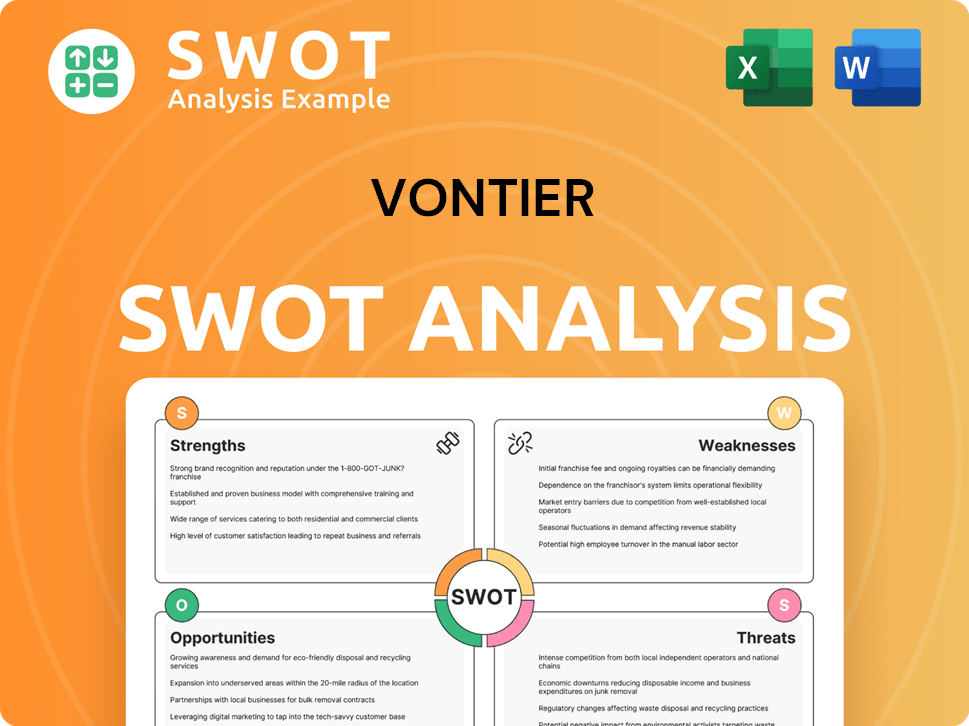
Vontier SWOT Analysis
- Complete SWOT Breakdown
- Fully Customizable
- Editable in Excel & Word
- Professional Formatting
- Investor-Ready Format
What Do Vontier’s Customers Want?
Understanding the needs and preferences of its customers is crucial for the success of the Vontier company. The company's focus on operational efficiency, reliability, and safety directly addresses the core requirements of its diverse customer base. By providing solutions that streamline processes and reduce downtime, Vontier ensures it remains a key player in its target markets.
The company's customer base spans several industries, each with specific needs. For example, retail fueling stations require robust payment systems and efficient site management. Commercial fleet operators need solutions for fuel management and regulatory compliance. Vehicle repair shops seek tools that improve repair accuracy and speed. These varied needs drive Vontier's product development and market strategies.
The psychological drivers behind customer choices often involve trust in established brands and the perceived value in reducing operational costs. Vontier's offerings address common pain points such as outdated infrastructure and inefficient processes. The company's commitment to digitalization and sustainability further influences its product development, ensuring it meets evolving customer needs.

Operational Efficiency
Customers prioritize solutions that enhance operational efficiency. This includes systems that streamline processes, reduce downtime, and provide real-time data for better decision-making.
Reliability
Reliability is a key factor, with customers relying on robust and secure systems. This is particularly important in sectors like retail fueling and commercial fleets, where system failures can be costly.
Safety
Safety is paramount, especially in industries dealing with fuel and vehicle maintenance. Solutions that ensure compliance and protect both personnel and assets are highly valued.
Digitalization
The push towards digitalization is a significant trend. Customers seek solutions that integrate with digital platforms, providing data-driven insights and improved operational control.
Sustainability
Sustainability is becoming increasingly important. Customers are looking for solutions that support the transition to electric and alternative fuels, aligning with environmental goals.
Cost Reduction
Reducing operational costs is a constant priority. Customers seek solutions that minimize expenses, improve fuel efficiency, and optimize resource utilization.
Key Customer Needs and Preferences
The Vontier target market is driven by specific needs and preferences that shape the company's product development and market approach. Understanding these factors is essential for Vontier's continued success. For a deeper dive into Vontier's business model, consider reading this article: Revenue Streams & Business Model of Vontier.
- Operational Efficiency: Customers need solutions that streamline processes, reduce downtime, and provide real-time data for better decision-making.
- Reliability and Safety: Robust and secure systems are crucial, especially in industries where system failures can be costly or dangerous.
- Digitalization and Integration: The demand for digital solutions that integrate with existing platforms is increasing, enabling data-driven insights and improved control.
- Sustainability: Customers are seeking solutions that support the transition to electric and alternative fuels, reflecting a growing focus on environmental responsibility.
- Cost Reduction: Minimizing operational expenses, improving fuel efficiency, and optimizing resource utilization remain key priorities for customers.
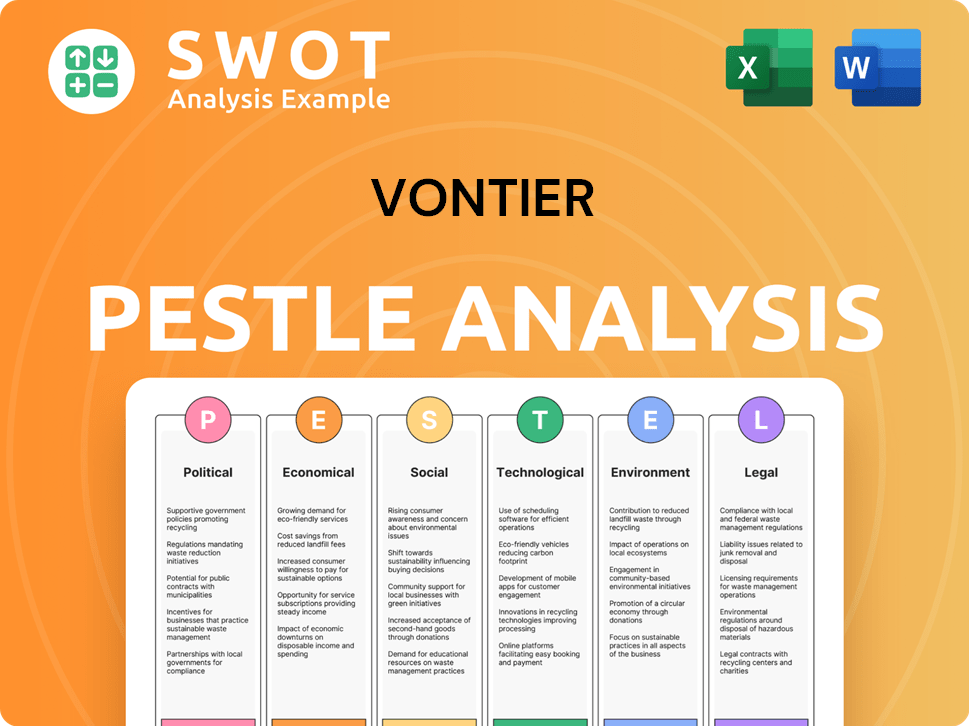
Vontier PESTLE Analysis
- Covers All 6 PESTLE Categories
- No Research Needed – Save Hours of Work
- Built by Experts, Trusted by Consultants
- Instant Download, Ready to Use
- 100% Editable, Fully Customizable
Where does Vontier operate?
The geographical market presence of the company is extensive, with significant operations and a customer base spanning North America, Europe, Asia, and Latin America. This global footprint is crucial for understanding the company's customer demographics and target market. North America, particularly the United States, represents a core market, where the company holds a strong market share in retail and commercial fueling solutions.
Europe constitutes another substantial market, influenced by diverse regulations and customer preferences. The company is also expanding its presence in emerging markets within Asia and Latin America, driven by urbanization, infrastructure development, and rising energy demands. This expansion strategy is essential for reaching a broader range of customers and adapting to various regional needs.
Differences in customer demographics, preferences, and buying power across these regions necessitate localized strategies. For example, payment system preferences vary significantly, requiring the company to adapt its point-of-sale solutions to local standards. Regulatory environments also influence product features and service delivery, impacting the company's customer profile. The company localizes its offerings through regional sales and service teams, partnerships with local distributors, and by ensuring its products meet specific regional certifications.
North America
The United States is a primary market, with a strong market share in retail and commercial fueling solutions. The company's focus includes adapting to evolving energy needs and infrastructure. The company's business strategy in North America involves maintaining its market leadership by innovating and meeting the changing demands of its customer base.
Europe
Europe is a substantial market, with diverse regulations and customer preferences. The company adapts its offerings to comply with regional standards and consumer behaviors. Recent expansions focus on bolstering capabilities in high-growth areas like EV charging infrastructure.
Asia
The company is growing its presence in emerging markets in Asia, driven by urbanization and infrastructure development. This expansion targets the increasing energy demands in the region. The company is strategically positioning itself to capitalize on the growth of the EV charging infrastructure market in Asia.
Latin America
Latin America is also a key growth area, with increasing energy demands and infrastructure projects. The company aims to meet the unique needs of the region through localized strategies. The company's customer acquisition strategies include partnerships with local distributors to expand its reach.
Market Segmentation Strategy
The company's market segmentation strategy involves tailoring its products and services to meet the diverse needs of its global customer base. This includes adapting to different payment systems, regulatory environments, and consumer behaviors. The company's focus on localized strategies ensures it remains competitive in various regions.
- North America: Focus on retail and commercial fueling solutions.
- Europe: Adapting to diverse regulations and customer preferences.
- Asia and Latin America: Expanding presence in emerging markets with rising energy demands.
- EV Charging Infrastructure: Recent expansions in key European and Asian markets.
The geographic distribution of the company's sales reflects a balanced portfolio, with a strategic emphasis on expanding its footprint in regions undergoing significant energy transition and infrastructure modernization. The company's ability to adapt to regional differences is a key factor in its success and its ability to identify its target audience. For more details, explore the Competitors Landscape of Vontier.
Vontier Business Model Canvas
- Complete 9-Block Business Model Canvas
- Effortlessly Communicate Your Business Strategy
- Investor-Ready BMC Format
- 100% Editable and Customizable
- Clear and Structured Layout

How Does Vontier Win & Keep Customers?
When examining the Vontier company, understanding its customer acquisition and retention strategies is crucial for a comprehensive market analysis. The company employs a multi-faceted approach, blending direct sales, channel partnerships, and digital marketing to reach its target audience. Given its focus on business-to-business (B2B) operations, Vontier's strategy is tailored to build strong relationships with large enterprise clients and extend its reach into smaller markets.
Vontier's customer acquisition strategy relies heavily on direct sales teams, especially for securing contracts with major clients. Simultaneously, channel partnerships with distributors and service providers expand its market presence. Digital marketing, including thought leadership content and online advertising, is essential for reaching decision-makers within the target industries. This integrated approach helps define Vontier's target market segments and ensures a consistent brand message.
Customer relationship management (CRM) systems and data analytics are central to Vontier's approach, enabling personalized engagement and targeted campaigns. By analyzing customer data, Vontier can understand specific needs and tailor its offerings accordingly. Retention strategies include comprehensive after-sales support and proactive maintenance services. Loyalty programs for channel partners and volume-based discounts for large customers also play a key role in customer retention.
Direct Sales and Channel Partnerships
Direct sales teams focus on building relationships with large enterprise clients, crucial for Vontier's B2B model. Channel partnerships with equipment distributors and service providers extend the company's reach into smaller markets. This dual approach helps Vontier identify and engage with its customer profile effectively.
Digital Marketing and Thought Leadership
Digital marketing efforts focus on showcasing technological expertise through industry-specific content and webinars. Vontier utilizes its website, social media (like LinkedIn), and targeted online advertising to reach decision-makers. These strategies help in defining Vontier's customer demographics and attracting the ideal customer.
CRM and Data Analytics
CRM systems and robust data analytics are integral to Vontier's strategy, enabling personalized engagement. Analyzing customer data allows Vontier to identify specific needs and tailor product recommendations. This data-driven approach is key to understanding Vontier's customer buying behavior.
Retention Strategies and Recurring Revenue
Retention strategies include after-sales support, technical training, and proactive maintenance. Loyalty programs and volume discounts also contribute to retention. Vontier is focusing on recurring revenue streams from software and services. For further insights, explore the Marketing Strategy of Vontier.
Key Strategies and Metrics
Vontier's customer acquisition and retention strategies are designed to drive sustainable growth and enhance customer lifetime value. Key metrics include customer acquisition cost (CAC), customer lifetime value (CLTV), and customer retention rate.
- Customer Acquisition Cost (CAC): Measures the total cost to acquire a new customer.
- Customer Lifetime Value (CLTV): Predicts the net profit attributed to the entire future relationship with a customer.
- Customer Retention Rate: Indicates the percentage of customers retained over a specific period.
- Recurring Revenue: A significant focus, with the goal of increasing the proportion of revenue from software and services.
- Digital Transformation: Investments in connected solutions and remote diagnostics to improve customer experience and uptime.
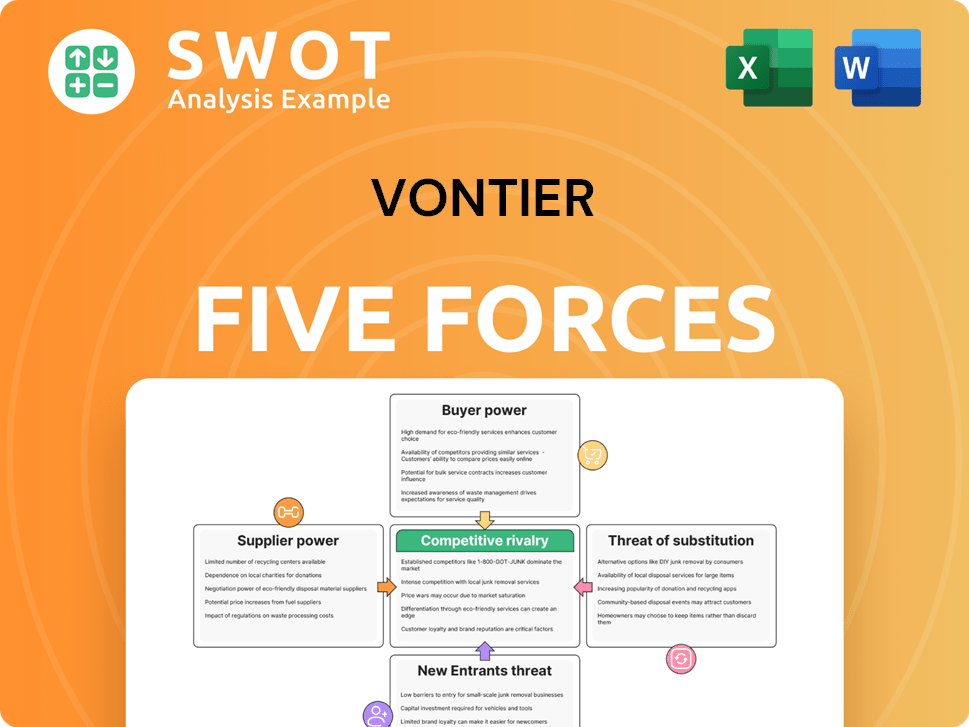
Vontier Porter's Five Forces Analysis
- Covers All 5 Competitive Forces in Detail
- Structured for Consultants, Students, and Founders
- 100% Editable in Microsoft Word & Excel
- Instant Digital Download – Use Immediately
- Compatible with Mac & PC – Fully Unlocked
Related Blogs

- What are Mission Vision & Core Values of Vontier Company?
- What is Competitive Landscape of Vontier Company?
- What is Growth Strategy and Future Prospects of Vontier Company?
- How Does Vontier Company Work?
- What is Sales and Marketing Strategy of Vontier Company?
- What is Brief History of Vontier Company?
- Who Owns Vontier Company?
Disclaimer
All information, articles, and product details provided on this website are for general informational and educational purposes only. We do not claim any ownership over, nor do we intend to infringe upon, any trademarks, copyrights, logos, brand names, or other intellectual property mentioned or depicted on this site. Such intellectual property remains the property of its respective owners, and any references here are made solely for identification or informational purposes, without implying any affiliation, endorsement, or partnership.
We make no representations or warranties, express or implied, regarding the accuracy, completeness, or suitability of any content or products presented. Nothing on this website should be construed as legal, tax, investment, financial, medical, or other professional advice. In addition, no part of this site—including articles or product references—constitutes a solicitation, recommendation, endorsement, advertisement, or offer to buy or sell any securities, franchises, or other financial instruments, particularly in jurisdictions where such activity would be unlawful.
All content is of a general nature and may not address the specific circumstances of any individual or entity. It is not a substitute for professional advice or services. Any actions you take based on the information provided here are strictly at your own risk. You accept full responsibility for any decisions or outcomes arising from your use of this website and agree to release us from any liability in connection with your use of, or reliance upon, the content or products found herein.