

Wilbur-Ellis Bundle

How Does Wilbur-Ellis Company Thrive in a Changing World?
Wilbur-Ellis Company, a global powerhouse in agriculture and specialty chemicals, is more than just an Wilbur-Ellis SWOT Analysis; it's a critical player in industries essential to our daily lives. From feeding the world to enhancing industrial processes, Wilbur-Ellis's influence is far-reaching. Understanding its operational model is key for anyone looking to navigate the complexities of the global market.

This exploration into Wilbur-Ellis will uncover the inner workings of this leading
What Are the Key Operations Driving Wilbur-Ellis’s Success?
The Wilbur-Ellis Company operates through three main divisions: Agriculture, Nutrition, and Connell. This structure allows Wilbur-Ellis to focus on specific customer needs and deliver tailored solutions across various sectors. The company's value proposition centers on providing high-quality products and expert services to enhance productivity and efficiency for its customers.
Wilbur Ellis leverages an extensive global network for sourcing, manufacturing, and distribution. This integrated approach ensures efficient delivery and supports its commitment to customer satisfaction. The company's emphasis on technical expertise and customer service, including agronomists, nutritionists, and chemical specialists, further differentiates it in the market.
The core operations of the Wilbur-Ellis Company involve a robust supply chain, distribution networks, and a strong emphasis on customer service. This comprehensive approach enables the company to meet the diverse needs of its customers in agriculture, animal nutrition, and specialty chemicals.
 Agriculture Division Overview
The Agriculture division offers a wide range of agricultural products, including crop protection products, seeds, and fertilizers. It also provides precision agriculture technologies to improve crop yields and quality. This division serves growers, helping them optimize their farming practices.
Nutrition Division Overview
The Nutrition division supplies feed ingredients and nutritional solutions to the livestock, aquaculture, and pet food industries. It focuses on enhancing animal health and performance. This division supports the nutritional needs of various animal species.
Connell Division Overview
The Connell division markets and distributes specialty chemicals and ingredients for diverse industrial applications. These applications include food, personal care, and industrial manufacturing. This division serves various industries with specialized chemical solutions.
Operational Processes
Wilbur-Ellis integrates global sourcing, manufacturing, and logistics to ensure timely product delivery. It partners with leading suppliers and manufacturers. Distribution networks are critical for reaching a broad customer base across North America, Asia-Pacific, and other key markets.

Key Differentiators
Wilbur-Ellis distinguishes itself through technical expertise and customer service. The company provides agronomists, nutritionists, and chemical specialists who offer tailored advice and solutions. This hands-on approach and deep product knowledge translate into direct customer benefits.
- The company's focus on precision agriculture tools and customized crop management plans.
- The direct benefits include improved agricultural productivity.
- Enhanced animal well-being.
- Optimized industrial processes.
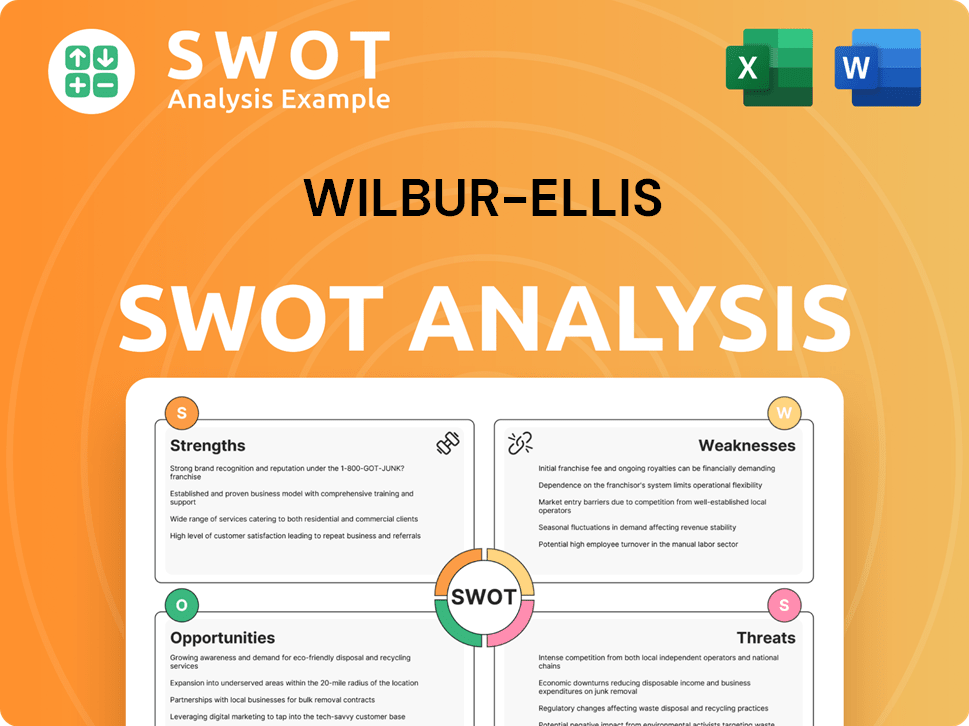
Wilbur-Ellis SWOT Analysis
- Complete SWOT Breakdown
- Fully Customizable
- Editable in Excel & Word
- Professional Formatting
- Investor-Ready Format
How Does Wilbur-Ellis Make Money?
The primary revenue streams for the Wilbur-Ellis Company stem from the sale of products across its three main divisions: Agriculture, Nutrition, and Connell. As a privately held entity, specific financial details are not publicly available, but industry insights and company communications suggest that product sales form the largest portion of its earnings. The company's diversified approach across these sectors helps to mitigate risks associated with market fluctuations.
The Agriculture division, a key player in the agribusiness sector, generates revenue through agricultural products such as crop protection products, seeds, and fertilizers. The Nutrition division focuses on animal feed ingredients and nutritional supplements, catering to the growing global livestock and aquaculture industries. The Connell division distributes specialty chemicals and ingredients to various industrial sectors. This diversification allows Wilbur-Ellis to serve a broad customer base.
Innovative monetization strategies include value-added services and bundled solutions. For instance, in the Agriculture division, the company offers consulting services, precision agriculture solutions, and agronomic advice. Strategic partnerships and joint ventures also play a role in expanding market reach and revenue opportunities. To learn more about the company's customer base, read this article on the Target Market of Wilbur-Ellis.
Revenue Generation Strategies
The Wilbur-Ellis revenue model is built on a combination of product sales and value-added services, which enhances customer relationships and drives product adoption. The company focuses on expanding its revenue streams through strategic acquisitions and exploring new market opportunities. While specific financial breakdowns are private, the company's multi-divisional structure provides a resilient revenue mix.
- Product Sales: The main source of revenue comes from selling agricultural products, animal nutrition ingredients, and specialty chemicals.
- Value-Added Services: Consulting, precision agriculture solutions, and agronomic advice are provided, particularly within the Agriculture division.
- Strategic Partnerships: Joint ventures and collaborations help to expand the company's market reach and product offerings.
- Diversification: Operating across agriculture, animal nutrition, and industrial chemicals reduces the risk from market volatility.
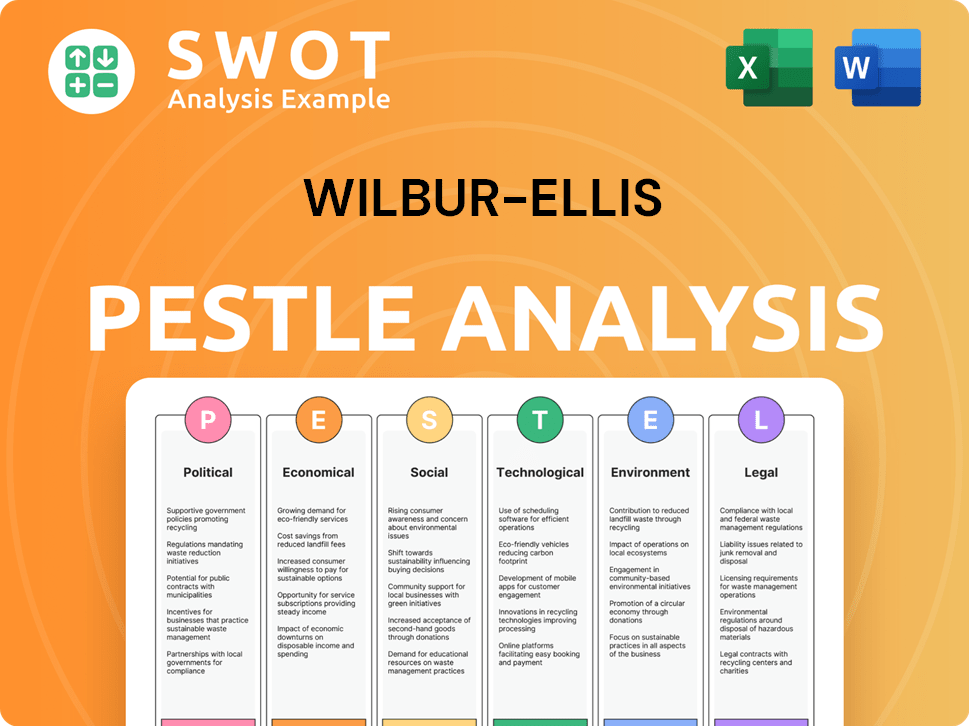
Wilbur-Ellis PESTLE Analysis
- Covers All 6 PESTLE Categories
- No Research Needed – Save Hours of Work
- Built by Experts, Trusted by Consultants
- Instant Download, Ready to Use
- 100% Editable, Fully Customizable
Which Strategic Decisions Have Shaped Wilbur-Ellis’s Business Model?
The Wilbur-Ellis Company has a rich history marked by significant milestones, though specific recent financial data for 2024-2025 isn't publicly available due to its private status. However, the company's sustained growth and expansion efforts are evident through its strategic moves. These include continuous investments in technology, particularly in precision agriculture and sustainable solutions, reflecting its commitment to adapting to evolving market demands.
A key aspect of the company's strategy involves navigating market challenges such as supply chain disruptions and fluctuating commodity prices. The company leverages its diversified business model and strong supplier relationships to maintain product availability for its customers. Its proactive logistics management has been crucial during periods of global supply chain strain, ensuring that products reach their destinations efficiently.
The company's competitive advantages are multifaceted, stemming from its century-long brand reputation, which cultivates customer loyalty and trust. It benefits from economies of scale, enabling efficient sourcing and distribution across its extensive network. The company's technical expertise and comprehensive service offerings also differentiate it from competitors. The ability to provide integrated solutions, from agronomic advice to customized nutritional programs, creates a strong customer base.
Key Milestones
Over its history, Wilbur-Ellis has achieved numerous milestones, shaping its operational and financial trajectory. The company's consistent growth and expansion efforts are indicative of its ongoing strategic moves. These achievements reflect its ability to adapt and thrive in the dynamic agribusiness sector.
Strategic Moves
Strategic moves include continuous investment in technology and innovation, especially in precision agriculture and sustainable solutions. The company navigates market challenges, such as supply chain disruptions, by leveraging its diversified business model. These moves highlight its commitment to adapting to the evolving needs of the agricultural industry.
Competitive Edge
The company's strong brand reputation and customer loyalty are key advantages. Economies of scale enable efficient sourcing and distribution. Deep technical expertise and comprehensive service offerings differentiate it from competitors. The company consistently adapts to new trends, ensuring its continued relevance in dynamic global markets.
Adaptability
The company consistently adapts to new trends and technological shifts, such as the increasing demand for sustainable agricultural practices. It invests in research and development and expands its product portfolios to meet evolving market needs. This adaptability ensures its continued relevance and competitive edge in dynamic global markets.
Key Advantages of Wilbur-Ellis
The company's competitive advantages include a strong brand reputation, economies of scale, and deep technical expertise. It offers integrated solutions, from agronomic advice to customized nutritional programs. These strengths create a sticky customer base and ensure its continued relevance in the market. For more insights, see Growth Strategy of Wilbur-Ellis.
- Strong brand reputation and customer loyalty.
- Economies of scale for efficient operations.
- Deep technical expertise and comprehensive service offerings.
- Adaptability to new trends and technological shifts.
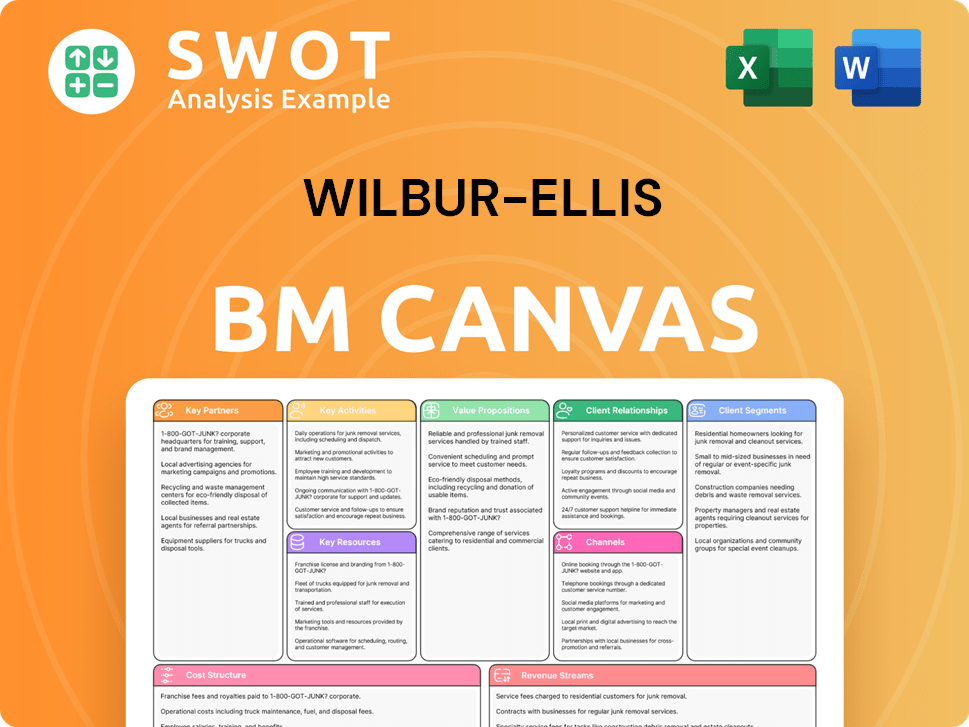
Wilbur-Ellis Business Model Canvas
- Complete 9-Block Business Model Canvas
- Effortlessly Communicate Your Business Strategy
- Investor-Ready BMC Format
- 100% Editable and Customizable
- Clear and Structured Layout
How Is Wilbur-Ellis Positioning Itself for Continued Success?
Wilbur-Ellis Company holds a significant position in the agricultural, animal nutrition, and specialty chemicals sectors. As a privately held entity, exact market share figures for 2024-2025 are not publicly available. However, the company is acknowledged as a major player, competing with both global and regional firms. Its extensive global presence, particularly in North America and the Asia-Pacific region, bolsters customer loyalty and market penetration. The diversified portfolio across its three segments provides resilience against market fluctuations.
The company faces various risks, including regulatory changes, new competitors, technological disruptions, and shifting consumer preferences towards sustainability. Economic downturns, geopolitical tensions, and climate-related events also affect commodity prices and agricultural output, influencing revenue streams. Focusing on digital agriculture technologies, sustainable product offerings, and strategic acquisitions, Wilbur-Ellis aims for long-term growth. The company's emphasis on innovation, customer-centricity, and sustainability are core to its future strategy. For a deeper understanding of the company's journey, you can explore the Brief History of Wilbur-Ellis.
Industry Position
Wilbur-Ellis is a key player in the agricultural products, animal nutrition, and specialty chemicals industries. It competes with both multinational corporations and regional specialists. Its global presence, especially in North America and Asia-Pacific, is a significant advantage.
Key Risks
Risks include regulatory changes, competition, technological shifts, and changing consumer preferences. Economic downturns, geopolitical issues, and climate events also present challenges. These factors can significantly impact the Agriculture company's revenue and profitability.
Future Outlook
Wilbur-Ellis is focused on digital agriculture, sustainable products, and strategic acquisitions. The company aims to leverage innovation, customer focus, and sustainability for future growth. Adaptability and a diversified model are crucial for long-term success in the agribusiness sector.
Strategic Initiatives
The company is investing in digital agriculture technologies to enhance efficiency and precision. It's expanding its sustainable product offerings to meet growing demand. Targeted acquisitions are also part of the strategy to strengthen market presence and capabilities.
Key Growth Areas
Wilbur-Ellis is focusing on several key areas for future growth. These initiatives are designed to strengthen its market position and adapt to changing industry dynamics. The company's strategic direction is centered around innovation and sustainability.
- Digital Agriculture: Investing in technologies to improve farming practices.
- Sustainable Products: Expanding offerings to meet consumer demand.
- Strategic Acquisitions: Strengthening market presence through targeted investments.
- Customer-Centric Approach: Prioritizing customer needs and relationships.
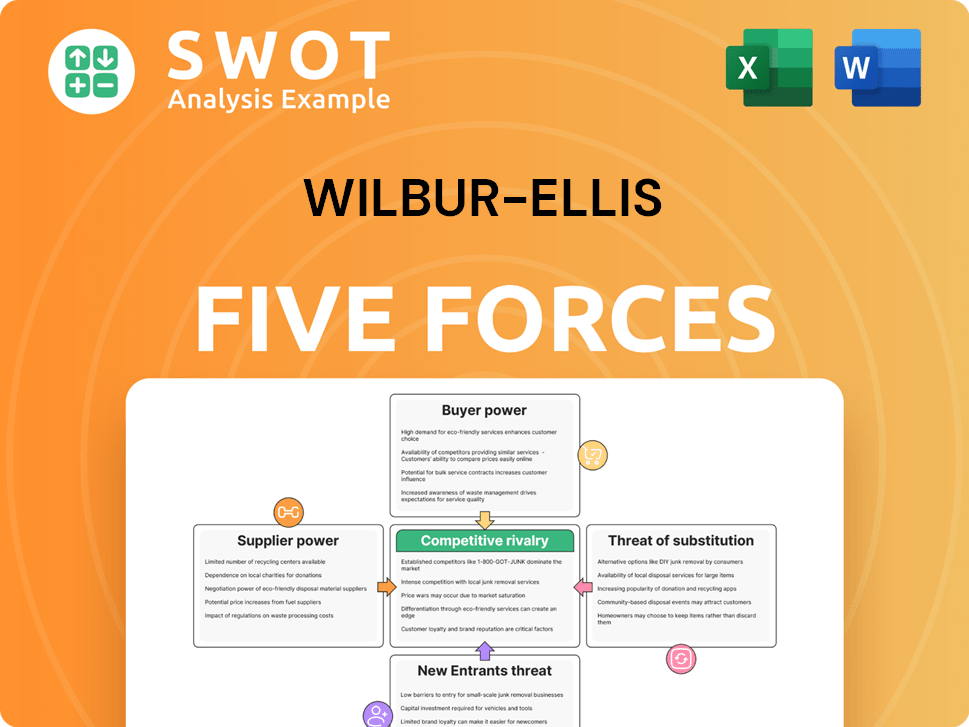
Wilbur-Ellis Porter's Five Forces Analysis
- Covers All 5 Competitive Forces in Detail
- Structured for Consultants, Students, and Founders
- 100% Editable in Microsoft Word & Excel
- Instant Digital Download – Use Immediately
- Compatible with Mac & PC – Fully Unlocked
Related Blogs

- What are Mission Vision & Core Values of Wilbur-Ellis Company?
- What is Competitive Landscape of Wilbur-Ellis Company?
- What is Growth Strategy and Future Prospects of Wilbur-Ellis Company?
- What is Sales and Marketing Strategy of Wilbur-Ellis Company?
- What is Brief History of Wilbur-Ellis Company?
- Who Owns Wilbur-Ellis Company?
- What is Customer Demographics and Target Market of Wilbur-Ellis Company?
Disclaimer
All information, articles, and product details provided on this website are for general informational and educational purposes only. We do not claim any ownership over, nor do we intend to infringe upon, any trademarks, copyrights, logos, brand names, or other intellectual property mentioned or depicted on this site. Such intellectual property remains the property of its respective owners, and any references here are made solely for identification or informational purposes, without implying any affiliation, endorsement, or partnership.
We make no representations or warranties, express or implied, regarding the accuracy, completeness, or suitability of any content or products presented. Nothing on this website should be construed as legal, tax, investment, financial, medical, or other professional advice. In addition, no part of this site—including articles or product references—constitutes a solicitation, recommendation, endorsement, advertisement, or offer to buy or sell any securities, franchises, or other financial instruments, particularly in jurisdictions where such activity would be unlawful.
All content is of a general nature and may not address the specific circumstances of any individual or entity. It is not a substitute for professional advice or services. Any actions you take based on the information provided here are strictly at your own risk. You accept full responsibility for any decisions or outcomes arising from your use of this website and agree to release us from any liability in connection with your use of, or reliance upon, the content or products found herein.