

Macerich Bundle

Can Macerich Thrive in the Evolving Retail World?
The retail real estate sector is undergoing a dramatic transformation, and Macerich, a leading REIT, is at the forefront of navigating these changes. Founded in 1972, Macerich has built a substantial portfolio of premier shopping destinations across the United States. This Macerich SWOT Analysis will help you understand the company's position in the market.

This exploration delves into Macerich's growth strategy, examining its strategic acquisitions and focus on high-quality assets within the competitive shopping mall industry. We'll analyze Macerich's future prospects, considering its ability to adapt to the commercial real estate market and embrace innovation. Furthermore, we will look into Macerich company analysis, including its financial performance and strategic plan for expansion to assess its long-term growth potential and investment opportunities.
How Is Macerich Expanding Its Reach?
The core of the Macerich growth strategy involves enhancing its existing properties through redevelopment and densification. This approach includes adding mixed-use elements like residential units, hotels, and office spaces to its retail centers. The goal is to transform these properties into vibrant community hubs, extending beyond traditional retail offerings.
Macerich also focuses on strategic acquisitions in promising markets to expand its portfolio. This strategy aims to diversify revenue streams, increase foot traffic, and maximize the value of its prime real estate assets. By adapting to evolving consumer preferences and attracting experiential retailers, the company seeks to boost occupancy rates and rental income.
The company's focus on optimizing its tenant mix is crucial. This involves attracting digitally native brands looking for a physical presence and diversifying offerings to include entertainment, dining, and health and wellness concepts. These initiatives are key to Macerich's ongoing expansion and maintaining its market relevance.
 Redevelopment and Densification
Macerich redevelops existing properties to include mixed-use elements, such as residential units, hotels, and office spaces. This strategy aims to create vibrant community hubs and diversify revenue streams. For example, the Tysons Corner Center redevelopment in Virginia exemplifies this approach.
Strategic Acquisitions
Macerich pursues opportunistic acquisitions in attractive markets to expand its portfolio. These acquisitions are designed to increase the company's market presence and capitalize on growth opportunities. The focus is on properties that align with the company's long-term strategic goals.
Tenant Mix Optimization
The company optimizes its tenant mix by attracting experiential retailers and digitally native brands. This strategy aims to adapt to evolving consumer preferences and drive higher occupancy rates. Diversifying offerings to include entertainment, dining, and health and wellness concepts is also a key focus.
Mixed-Use Development
Macerich integrates mixed-use elements into its properties to create comprehensive destinations. This includes adding residential units, hotels, and office spaces to existing retail centers. The goal is to enhance the overall appeal and value of the properties.

Key Expansion Initiatives
Macerich's expansion initiatives are designed to drive long-term growth and enhance shareholder value. These strategies involve strategic investments in existing properties and acquisitions to create a diversified portfolio. The company focuses on adapting to market trends and consumer preferences to remain competitive.
- Redevelopment of existing properties to include mixed-use components.
- Strategic acquisitions in high-growth markets.
- Optimizing tenant mix to attract experiential retailers and digital brands.
- Focus on creating unique consumer experiences to drive foot traffic.
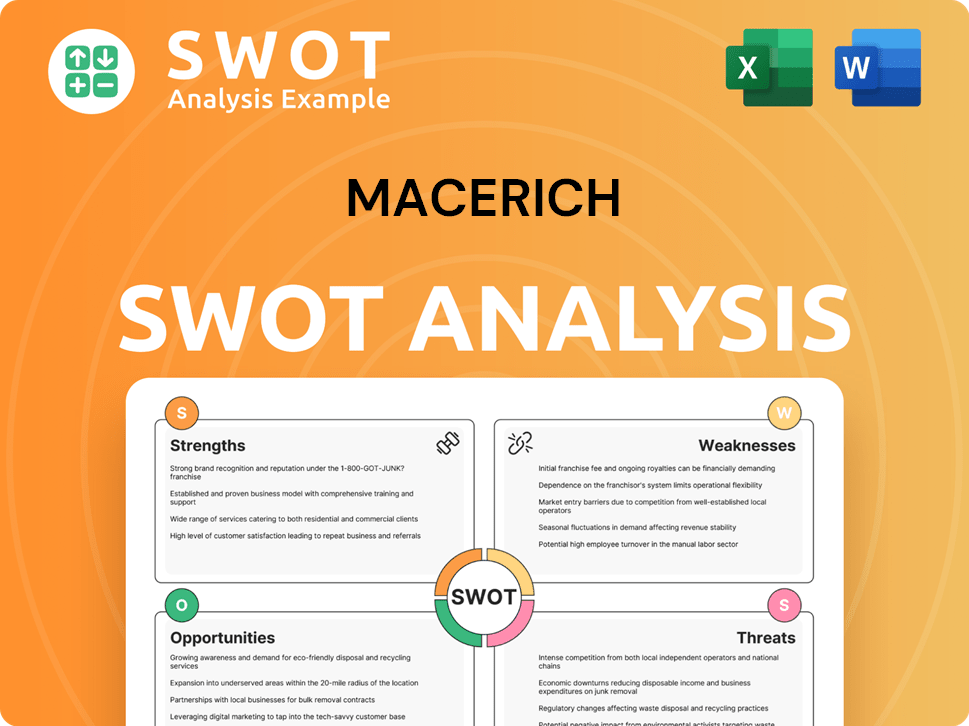
Macerich SWOT Analysis
- Complete SWOT Breakdown
- Fully Customizable
- Editable in Excel & Word
- Professional Formatting
- Investor-Ready Format
How Does Macerich Invest in Innovation?
The company focuses on technology and innovation to enhance the experience for both tenants and consumers, aiming to boost operational efficiency and foster sustainable growth. This strategy involves significant investments in digital transformation, including the use of advanced data analytics to understand consumer behavior. This data-driven approach enables more effective tenant placement and targeted marketing campaigns.
The company is also actively exploring and implementing smart building technologies. These include the use of Internet of Things (IoT) sensors for energy management and predictive maintenance. These technologies aim to reduce operational costs and improve sustainability across its properties. Furthermore, the company is dedicated to creating seamless omnichannel experiences for shoppers, integrating online and offline retail strategies.
This integration includes enhanced Wi-Fi connectivity, mobile apps for navigation and promotions, and dedicated spaces for services like buy online, pick up in-store (BOPIS). Although specific patents or industry awards related to its technology strategy aren't widely publicized, the company's commitment to integrating technology across its portfolio is evident in its efforts to modernize properties and enhance their appeal in a digitally-driven retail environment. This is a key element of the overall Mission, Vision & Core Values of Macerich.

Data Analytics and Consumer Insights
The company utilizes advanced data analytics to understand consumer behavior. This data helps in making informed decisions about tenant placement and marketing strategies, improving the overall shopping experience.
Smart Building Technologies
The company is implementing smart building technologies, such as IoT sensors. These technologies are used for energy management and predictive maintenance, which reduces operational costs and improves sustainability.
Omnichannel Retail Integration
The company focuses on creating seamless omnichannel experiences. This includes integrating online and offline retail through enhanced Wi-Fi, mobile apps, and BOPIS services to meet evolving consumer expectations.
Digital Transformation Initiatives
The company invests in digital transformation to modernize its properties. This includes initiatives to enhance the appeal of its properties in a digitally-driven retail environment.
Focus on Sustainability
The company's use of smart building technologies highlights its commitment to sustainability. This focus helps in reducing environmental impact and enhancing operational efficiency.
Enhanced Shopping Experience
The company aims to improve the shopping experience. This is achieved through enhanced Wi-Fi, mobile apps, and BOPIS services, making it easier and more convenient for shoppers.
Key Technology and Innovation Strategies
The company's approach to technology and innovation is multifaceted, focusing on data-driven insights, smart building technologies, and omnichannel retail integration. These strategies are designed to improve operational efficiency, enhance the consumer experience, and support sustainable growth within the commercial real estate market.
- Data Analytics: Utilizing data to understand consumer behavior and optimize tenant placement.
- Smart Building Technologies: Implementing IoT sensors for energy management and predictive maintenance.
- Omnichannel Integration: Creating seamless online and offline retail experiences.
- Digital Transformation: Modernizing properties to meet the demands of a digitally-driven retail environment.
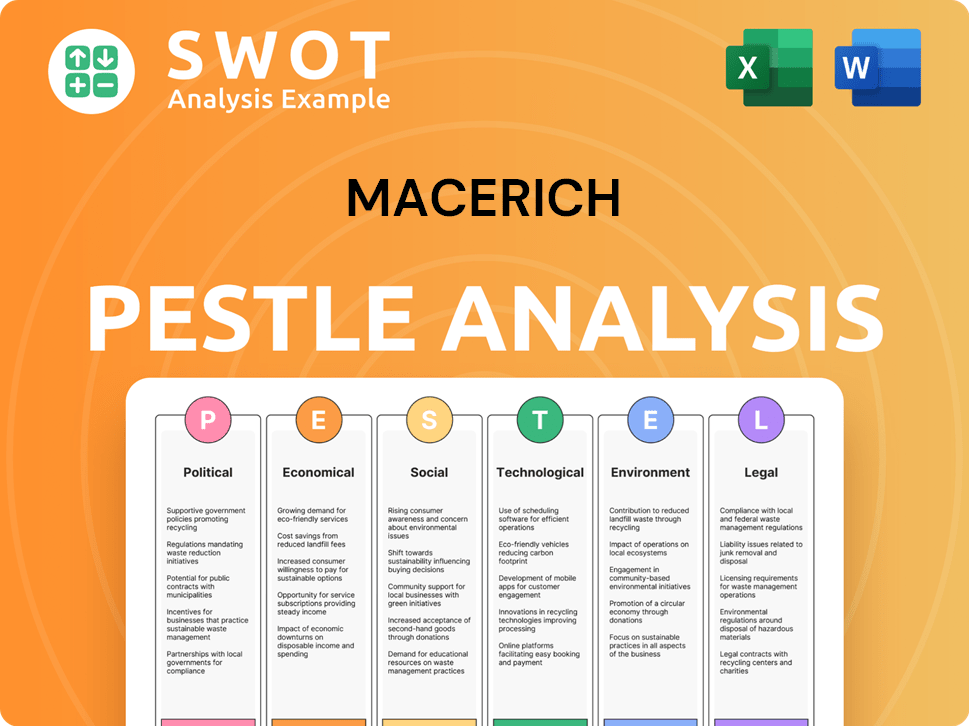
Macerich PESTLE Analysis
- Covers All 6 PESTLE Categories
- No Research Needed – Save Hours of Work
- Built by Experts, Trusted by Consultants
- Instant Download, Ready to Use
- 100% Editable, Fully Customizable
What Is Macerich’s Growth Forecast?
The financial outlook for Macerich centers on strengthening its financial position, optimizing cash flow, and enhancing shareholder value. The company's strategic focus includes disciplined capital allocation, especially in high-return redevelopment projects. Macerich is also actively managing its debt levels and exploring opportunities to divest non-core assets to fund growth initiatives. This approach is crucial for navigating the evolving landscape of the shopping mall industry.
In the Q4 2024 earnings report, Macerich reported Funds From Operations (FFO) and provided guidance for 2025, indicating a stable but challenging operational environment. The company's ability to maintain strong occupancy rates and attract a diverse tenant mix will be critical to achieving its long-term financial goals. Analysts generally reflect a cautious yet stable outlook, recognizing the headwinds facing traditional retail but also the potential of its well-located assets.
Macerich's financial strategy is designed to address the changing dynamics of the commercial real estate market. Effective management of operating expenses is also a key factor in achieving its financial objectives. The company's commitment to these strategies is essential for its Marketing Strategy of Macerich and overall success.
Financial Performance Review
Macerich's financial performance is closely watched by investors and analysts. The company's FFO is a key metric for evaluating its profitability. The management of debt and capital allocation are critical components of the company's financial strategy.
Macerich Stock Forecast and Analysis
Analysts provide stock forecasts and analysis, considering factors such as occupancy rates and tenant mix. These forecasts offer insights into the company's potential for future growth. Investors use these analyses to make informed decisions.
Macerich Investment Opportunities and Risks
Investing in Macerich involves assessing both opportunities and risks. Opportunities include redevelopment projects and attracting new tenants. Risks involve the challenges of the shopping mall industry and the impact of e-commerce.
Macerich Property Portfolio Overview
Macerich's property portfolio is a key component of its business. The portfolio's quality and location play a significant role in its success. The company's focus on high-quality assets is a key aspect of its strategy.
Macerich Tenant Mix and Occupancy Rates
The tenant mix and occupancy rates are crucial indicators of Macerich's performance. A diverse tenant mix helps attract consumers. High occupancy rates contribute to stable revenue streams.
Macerich Dividend History and Yield
Macerich's dividend history and yield are important considerations for investors. The dividend yield reflects the return on investment. The dividend history indicates the company's commitment to shareholder value.
Macerich Recent Acquisitions and Developments
Recent acquisitions and developments can significantly impact Macerich's growth. These activities reflect the company's strategic plans for expansion. They also indicate the evolving nature of the real estate investment trusts (REITs) market.
Macerich Long-Term Growth Potential
Macerich's long-term growth potential depends on several factors. These include the ability to adapt to market changes. The company's strategic plan for expansion is a key factor in its future success.
Macerich Challenges and Opportunities
Macerich faces both challenges and opportunities in the commercial real estate market. Challenges include competition from e-commerce. Opportunities involve redevelopment and attracting new tenants.
Macerich Investor Relations Information
Investor relations information provides insights into Macerich's financial performance. This information helps investors make informed decisions. It includes reports, presentations, and other relevant data.
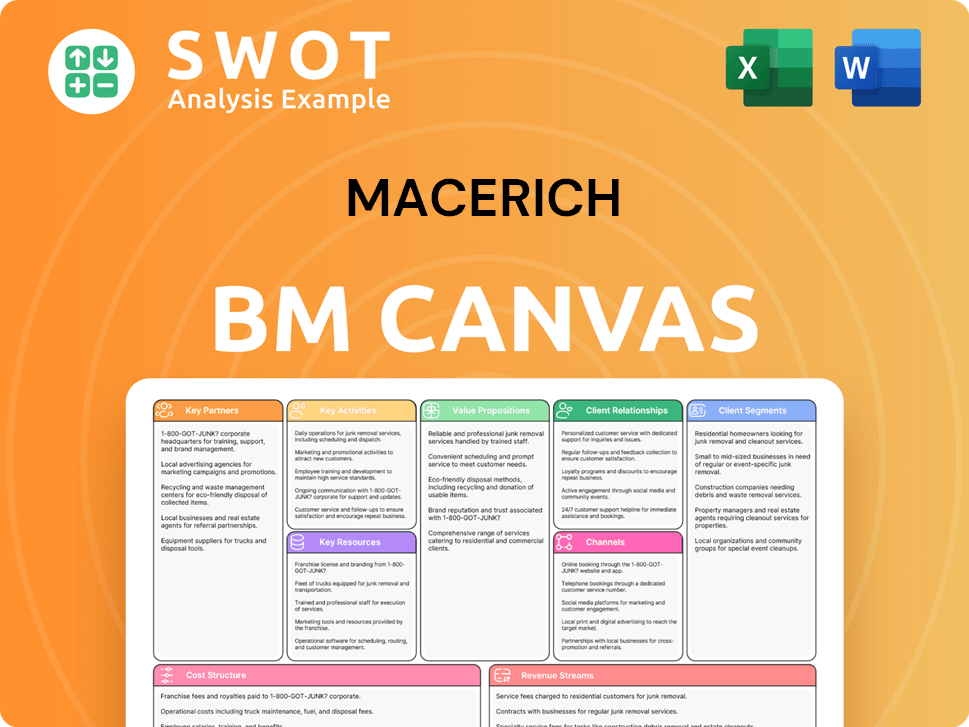
Macerich Business Model Canvas
- Complete 9-Block Business Model Canvas
- Effortlessly Communicate Your Business Strategy
- Investor-Ready BMC Format
- 100% Editable and Customizable
- Clear and Structured Layout
What Risks Could Slow Macerich’s Growth?
The path for the company's growth strategy is not without its obstacles. The commercial real estate market presents a complex landscape, and the firm must navigate various risks to achieve its future prospects. Understanding these challenges is crucial for a comprehensive company analysis.
Several factors could impede the company's expansion and financial performance review. These include shifts in consumer behavior, the rise of e-commerce, and economic uncertainties. Successfully addressing these issues is vital for maintaining and enhancing its position within the shopping mall industry.
The company faces potential risks that could affect its strategic plan for expansion. These challenges require proactive measures and a forward-thinking approach. The company must adapt to stay competitive in the evolving real estate investment trusts (REITs) sector.
Market Competition
Competition from different retail formats, including e-commerce and outlet centers, poses a continuous challenge. This requires constant adaptation of offerings to meet consumer demands. The company must differentiate itself to maintain its market share.
Regulatory Changes
Changes in zoning, environmental standards, and labor laws can affect development timelines and costs. These regulations can cause delays and increase operational expenses. Staying compliant with these regulations is crucial for long-term success.
Supply Chain Vulnerabilities
Although less direct for a REIT, supply chain issues can impact tenants, influencing lease renewals. Disruptions can affect tenant operations and the overall performance of properties. Addressing these challenges is essential.
Technological Disruption
The rapid evolution of e-commerce and changing consumer preferences necessitates continuous innovation. The company must stay ahead of technological advancements to keep its properties relevant. Adapting to digital transformation is key.
Resource Constraints
Access to skilled labor for redevelopment projects and capital for new investments can be a hurdle. These constraints can limit the ability to pursue growth opportunities. Efficient resource management is critical.
Economic Downturns
Economic downturns can affect consumer spending and tenant performance. The company must prepare for potential economic fluctuations. A diversified tenant base and strategic asset repositioning can help mitigate risks.
Mitigation Strategies
The company addresses these risks through proactive asset management and tenant base diversification. Ongoing market analysis helps anticipate shifts in consumer behavior. Strategic repositioning of assets and focus on experiential retail are also key.
Resilience and Adaptation
The company has demonstrated resilience in navigating past economic downturns. It has adapted to changes in the retail landscape through strategic repositioning. Focusing on experiential retail has helped the company remain competitive.
For more on the company's history, consider reading Brief History of Macerich. The company's ability to adapt to market changes is crucial for its long-term growth potential.
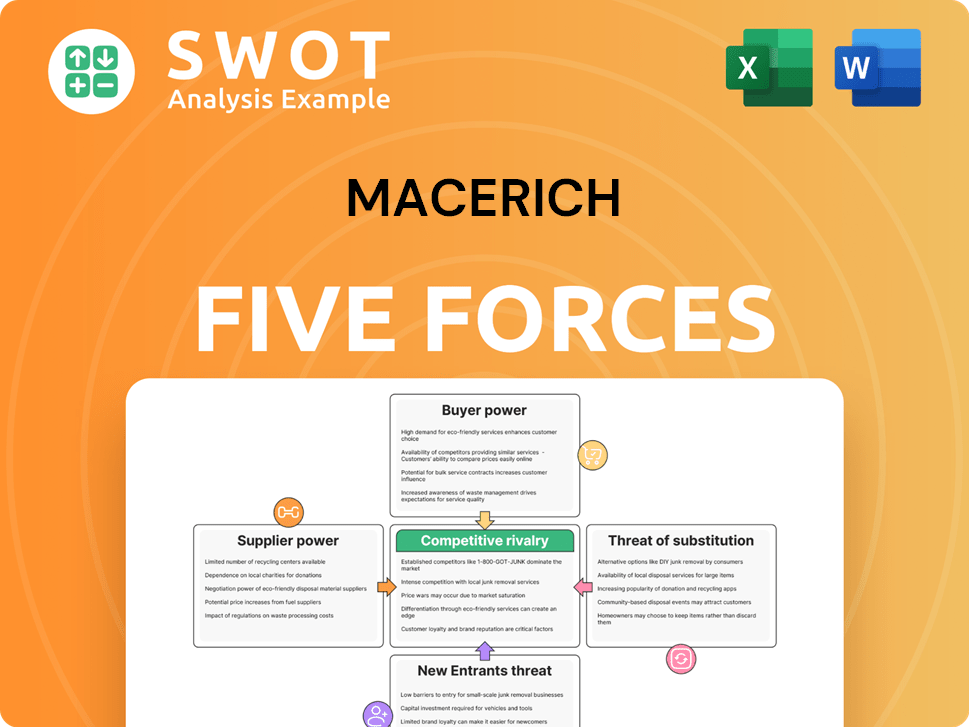
Macerich Porter's Five Forces Analysis
- Covers All 5 Competitive Forces in Detail
- Structured for Consultants, Students, and Founders
- 100% Editable in Microsoft Word & Excel
- Instant Digital Download – Use Immediately
- Compatible with Mac & PC – Fully Unlocked
Related Blogs

- What are Mission Vision & Core Values of Macerich Company?
- What is Competitive Landscape of Macerich Company?
- How Does Macerich Company Work?
- What is Sales and Marketing Strategy of Macerich Company?
- What is Brief History of Macerich Company?
- Who Owns Macerich Company?
- What is Customer Demographics and Target Market of Macerich Company?
Disclaimer
All information, articles, and product details provided on this website are for general informational and educational purposes only. We do not claim any ownership over, nor do we intend to infringe upon, any trademarks, copyrights, logos, brand names, or other intellectual property mentioned or depicted on this site. Such intellectual property remains the property of its respective owners, and any references here are made solely for identification or informational purposes, without implying any affiliation, endorsement, or partnership.
We make no representations or warranties, express or implied, regarding the accuracy, completeness, or suitability of any content or products presented. Nothing on this website should be construed as legal, tax, investment, financial, medical, or other professional advice. In addition, no part of this site—including articles or product references—constitutes a solicitation, recommendation, endorsement, advertisement, or offer to buy or sell any securities, franchises, or other financial instruments, particularly in jurisdictions where such activity would be unlawful.
All content is of a general nature and may not address the specific circumstances of any individual or entity. It is not a substitute for professional advice or services. Any actions you take based on the information provided here are strictly at your own risk. You accept full responsibility for any decisions or outcomes arising from your use of this website and agree to release us from any liability in connection with your use of, or reliance upon, the content or products found herein.